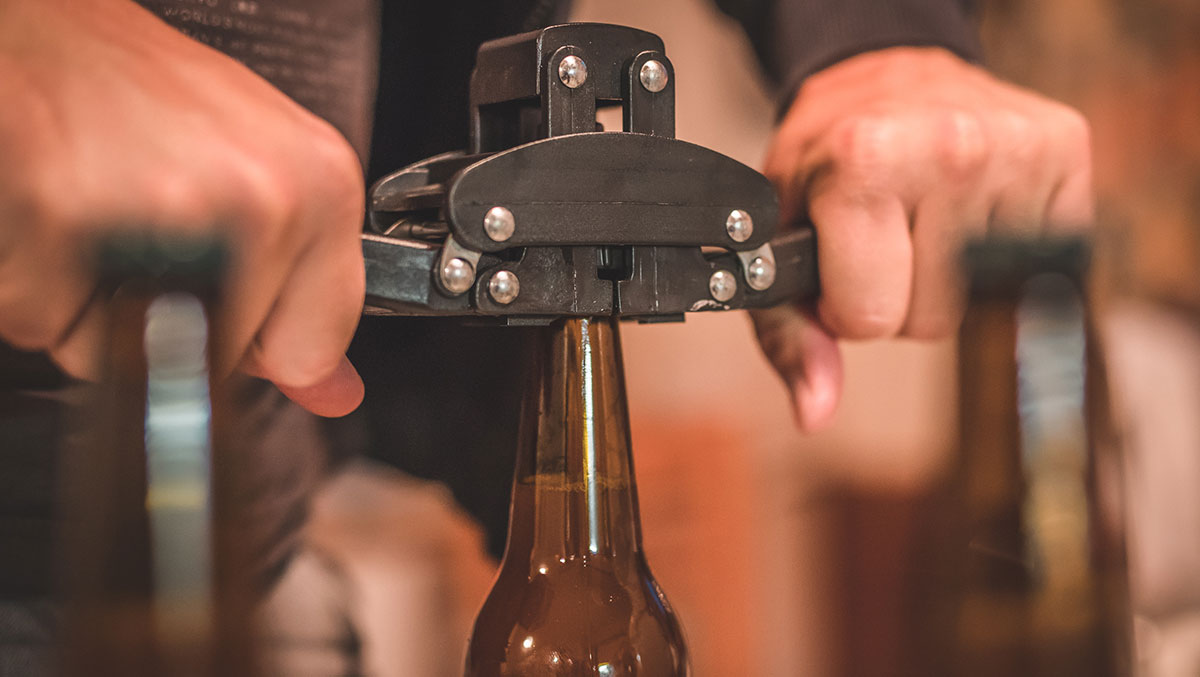
I spend a lot of my work life thinking about systems, processes, and decisions that ripple across a business. I also spend part of my personal life doing things that are slow, manual, and very hands-on. I brew beer. I make hot sauce. I play guitar. None of those activities scale well. None of them reward rushing. All of them have taught me lessons that show up every day in how I build businesses.
I did not set out to learn business patience through hobbies. It happened naturally. When you build things by hand, the work pushes back if you try to force it. That feedback is immediate and honest. Over time, those lessons sink in.
You Cannot Rush the Process
The first lesson is simple. Some things take the time they take.
When you brew beer, you can follow every step perfectly, but fermentation still runs on its own clock. You can clean, measure, and monitor, but you cannot rush yeast. If you try, you end up with off flavors or unfinished beer. Hot sauce works the same way. You can chop peppers and blend ingredients in an afternoon, but the flavor only comes together after days or weeks. Guitar is no different. Your fingers need time to build strength and memory. No shortcut replaces practice.
Business behaves the same way. You can prepare well, but growth happens when the underlying conditions are right. Customers need time to trust you. Systems need time to settle. Teams need time to learn how to work together. If you push too hard too early, you often damage the thing you are trying to grow.
Building things by hand trains you to respect that reality.
Preparation Matters More Than Speed
When I brew beer, most of the work happens before anything exciting occurs. Cleaning equipment. Measuring ingredients. Checking temperatures. If I skip those steps, the batch might fail before it even starts. Hot sauce is similar. If you rush prep or eyeball measurements carelessly, you get inconsistent results. Even playing my guitar demands the same respect. If you do not tune your instrument or warm up properly, the session suffers.
In business, preparation is often invisible, but it is where outcomes are decided. Clear processes. Defined roles. Solid supplier relationships. Those are the equivalents of clean equipment and measured ingredients. They are not flashy, but they protect you from preventable problems.
Early in my career, I wanted fast results. Over time, I learned that speed without preparation creates rework. Rework is slower than doing it right the first time. Patience is not waiting. It is preparing well and allowing things to unfold properly.
Small Adjustments Make Big Differences
One of my favorite parts of making hot sauce is experimenting. A little more salt. A different pepper. A longer ferment. Small changes can transform the final product. Brewing beer works the same way. A slight shift in temperature or timing can change the entire batch. With guitar, tiny adjustments in finger position or rhythm unlock progress that brute force never could.
Business growth often works at this scale. The breakthroughs are rarely massive overhauls. They come from small, thoughtful changes. A clearer checkout process. A better onboarding step. A simpler workflow. Those adjustments compound.
Working with your hands teaches you to pay attention. When you slow down enough to notice small details, you start to see where change actually matters. That awareness carries directly into how you manage a business.
Mistakes Are Part of the Learning
I have ruined beer. I have made hot sauce that nobody wanted to finish. I have spent weeks practicing a guitar part only to realize I was practicing it wrong. Those mistakes were frustrating in the moment, but they were never wasted.
Each mistake taught me something specific. Slow down and focus on technique. Those lessons stuck because they were earned through experience.
In business, mistakes feel heavier because the stakes are higher. Money. Reputation. Relationships. But the principle is the same. If you treat mistakes as data instead of failure, you learn faster and improve more steadily.
Building things by hand makes mistakes feel normal. They are part of the process, not evidence that you should quit.
Discipline Beats Motivation
I do not always feel like brewing or playing guitar. Motivation comes and goes. Discipline is what keeps things moving.
If I wait to feel inspired, nothing gets made. Instead, I rely on routine. Clean the gear. Prep the ingredients. Pick up the guitar and play something simple. Once I start, momentum follows.
Business is no different. Waiting for motivation is unreliable. Systems, schedules, and habits are what carry you through low-energy periods. Progress comes from showing up consistently, not from bursts of excitement.
Hobbies that require patience reinforce this lesson constantly. You learn to trust the process instead of chasing the feeling.
Quality Shows Over Time
When you build something by hand, quality reveals itself slowly. A beer improves after conditioning. A hot sauce deepens with age. Guitar skill compounds over months and years, not days.
In business, quality works the same way. You might not see immediate results from doing things carefully. Over time, customers notice consistency. Partners notice reliability. Teams notice clarity. Trust builds quietly.
This is especially true in ecommerce and family businesses. You cannot fake quality for long. The work shows up in the end product and in the experience you deliver.
Why This Matters for Business Builders
Many founders struggle with impatience. I have been there. You want proof that your effort is working. You want traction now. You want growth to validate the risk you took.
Building things by hand has helped me stay grounded. It reminds me that worthwhile outcomes often lag behind effort. That gap is not failure. It is normal.
When I feel restless in business, I go back to these hobbies. They reset my expectations. They remind me that patience is active. You prepare. You adjust. You show up again.
Enjoy The Simple Things
Brewing beer, making hot sauce, and playing guitar are not hobbies I chose for business reasons. They are simply things I enjoy. Over time, they have shaped how I think and how I lead.
They taught me that patience is not passive. It is disciplined action without rushing the result. It is respect for process. It is trust that steady effort compounds.
In business, just like in building something by hand, the goal is not speed. The goal is quality that lasts. When you learn that lesson in your hands, it stays with you everywhere else.