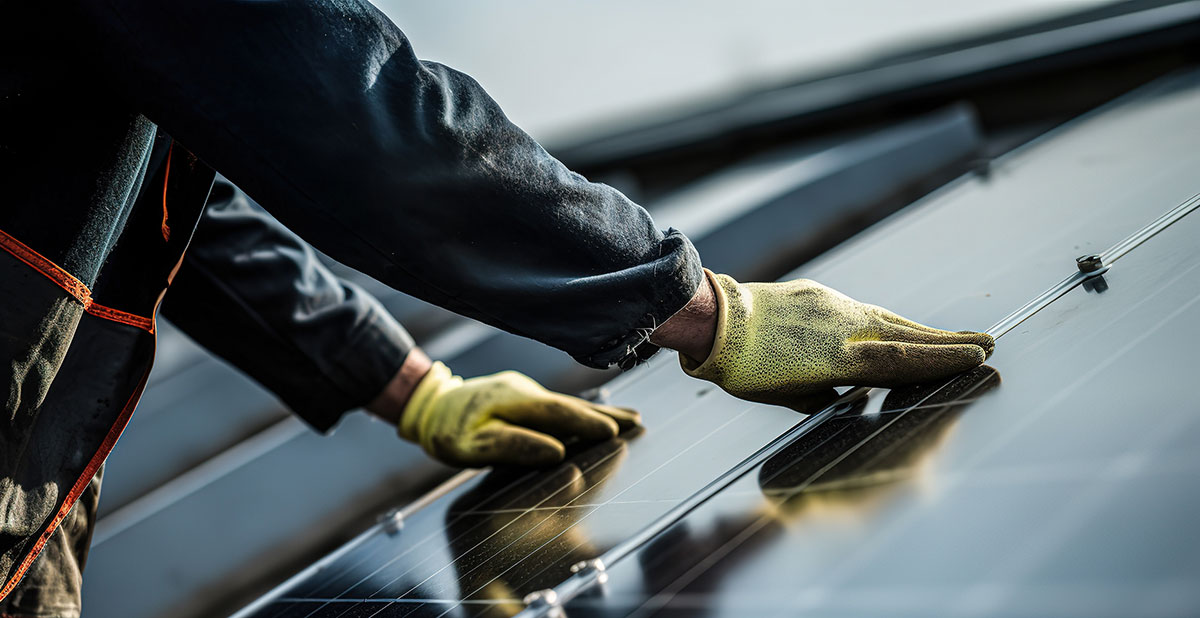
A while back I personally installed solar panels at our house. The goal was simple. I wanted to run parts of our home off the grid, including our washer and dryer, and understand exactly how our energy worked instead of just paying a bill each month and hoping the power stayed on.
What started as a hands-on project turned into one of the clearest business lessons I have had in years. Energy systems and business systems are not that different. Both need input. Both need storage. Both need protection against failure. Both break when you assume perfect conditions.
Installing that system changed how I think about independence in business.
You Cannot Depend on a Single Source
When you rely entirely on the grid, you trust that it will always be there. Most of the time it is. But storms happen. Equipment fails. Demand spikes.The same thing happens in business.
If you rely on a single major customer, a single supplier, or a single revenue stream, you are not independent. You are exposed. It might work smoothly for years. Then one shift outside your control changes everything.
Installing solar forced me to think about diversified inputs. Sunlight is not constant, so batteries store energy. The grid still exists as backup. The system works because it does not depend on one source behaving perfectly.
In business, diversification creates resilience. Multiple revenue streams. Backup vendors. Different customer segments. Independence is not isolation. It is optionality.
Storage Matters More Than Production
Most people focus on the panels when they think about solar. I learned quickly that storage is just as important.
You can generate plenty of power during the day. If you cannot store it effectively, it goes to waste. When night comes, you are back to relying on the grid.
In business, production is revenue. Storage is cash flow.
It is easy to celebrate strong sales months. It is harder to build reserves. Without cash reserves, even profitable businesses can feel fragile. A slow month or unexpected expense creates stress.
The battery system in my house gave me a new appreciation for liquidity. Stored energy allows you to operate calmly when inputs fluctuate. Stored cash does the same thing for a business.
Design for Real Conditions, Not Ideal Ones
Solar panels do not operate in perfect conditions. Clouds reduce output. Short winter days limit production. Equipment ages.
When designing the system, I had to account for worst-case scenarios. How much energy do we need during low production periods. What happens if one component fails. What is the true load during peak usage.
Business planning often assumes average conditions. Average sales. Average demand. Average performance. Real life rarely operates on averages.
Off the grid thinking means designing for stress. What happens if revenue drops twenty percent. What happens if a supplier delays shipments. What happens if demand spikes beyond capacity.
When you plan around stress instead of comfort, you reduce surprises.
Redundancy Reduces Panic
One of the biggest benefits of installing a solar system was psychological. Knowing there is backup changes how you feel.
If the grid goes down, we are not immediately stuck. If production dips, stored energy carries us.
In business, redundancy creates the same calm. Backup vendors. Cross-trained team members. Clear documentation. These things reduce panic when something goes wrong.
Redundancy does not eliminate problems. It prevents small problems from becoming crises.
Too many businesses run lean to the point of fragility. Efficiency is valuable, but extreme efficiency without redundancy increases risk.
Monitor the System Constantly
After installing the system, I found myself checking the data. Output levels. Battery charge. Consumption patterns. Not obsessively, but intentionally.
Monitoring builds awareness. You start to understand patterns. When usage spikes. When production dips. How behavior affects performance.
Business metrics serve the same purpose. Cash flow statements. Occupancy rates in rentals. Inventory turnover. These numbers are not just reports. They are signals.
If you ignore the dashboard, you are driving blind.
Off the grid thinking means paying attention to energy flow. In business, that energy is money, attention, and time.
Independence Requires Discipline
Installing solar was not a shortcut. It required planning, investment, and ongoing maintenance.
Business independence works the same way. You cannot talk about resilience and then overextend yourself financially. You cannot say you value redundancy and then cut every backup to save money.
Independence requires discipline. Conservative leverage in real estate. Thoughtful expansion in ecommerce. Clear processes in operations leadership.
It is tempting to optimize for maximum output. Independence optimizes for durability.
Perfect Conditions Are a Trap
If your business only works when everything aligns, it is not independent. It is lucky.
The solar array setup reminded me that conditions change daily. Some days are bright and productive. Some days are cloudy. The system adapts because it was designed to.
Businesses should be built the same way. Pricing strategies that adjust. Rental models that balance short-term and long-term stability. Operations that handle variability.
When you build assuming perfection, you panic when imperfection arrives.
Off the Grid as a Mindset
Going partially off the grid was not about rejecting the grid. It was about reducing dependence.
In business, that means reducing reliance on hype, on constant growth, on ideal timing. It means building something that can operate through volatility.
Cash reserves act like batteries. Diverse revenue acts like multiple energy inputs. Strong systems act like stable wiring.
When everything works together, independence grows.
Remain Adaptable
Installing my own solar system was a practical project. It also became a metaphor.
Energy flows. It must be generated, stored, protected, and monitored. Businesses are no different.
Off the grid thinking in business means building for resilience instead of speed. It means preparing for clouds, not just sunshine.
True independence is not about doing everything alone. It is about designing systems that keep working when conditions change.
That mindset has made me calmer as an owner and more disciplined as a leader. It is not flashy. It is steady. And steady systems tend to last.