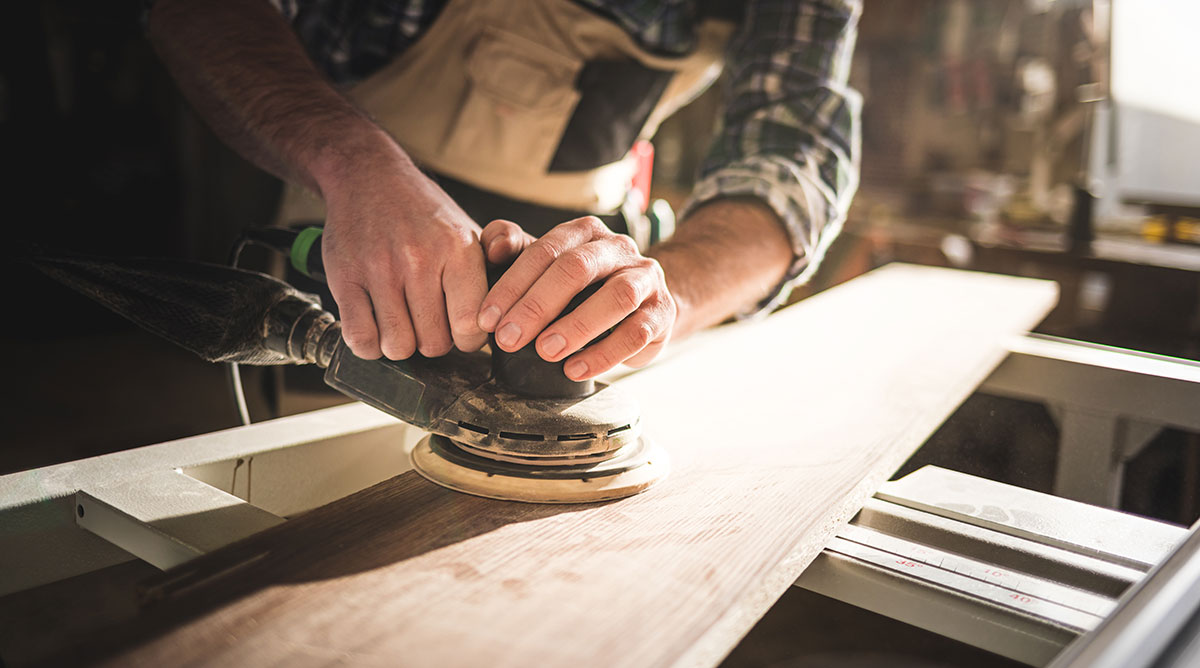
I have spent a lot of my career in operations leadership and ownership roles. That work involves strategy, systems, and decisions that affect other people. What surprises some people is that the lessons that shaped me most did not come from a boardroom. They came from building things with my hands.
I’ve built everything from tree forts to chicken coops. I installed solar panels on the carport so we can run part of our house off the grid. I built raised garden beds and started a food forest. I occasionally take my older M3 out to the track (when I’m not working on it). None of those projects are business on the surface. All of them have made me a better business leader.
When You Build It Yourself, You See the Whole System
When you build something from scratch, you cannot hide from reality.
If the platform is not level, you see it. If the wiring is wrong, nothing turns on. If the soil is not right, the plants do not grow. There is no blaming the market. There is no blaming the team. There is just cause and effect.
That mindset carries directly into operations leadership. When something breaks in a business, the instinct might be to point at external factors. Hands-on work trains you to look closer. What assumption was wrong. What process was incomplete. What step did we rush.
Building things yourself forces ownership of the outcome. That is the same mindset required when you own a company.
Overbuilding Creates Margin
When I build, I reinforce joints. I add support. I consider weather and time.
In business, that translates into building margin into systems. Extra inventory buffer. Clear documentation. Defined backup plans. Conservative financing in real estate. These are not flashy decisions. They are structural ones.
On the track, racing teaches the same lesson. You respect limits. You do not push past what the car or conditions can handle. You build skill gradually. You leave room for error.
Overbuilding is not waste. It is resilience.
Solar Panels Taught Me Independence
Installing the solar array was a different kind of project. It was not just about saving money. It was about understanding where energy comes from and how it flows.
I had to think about load, storage, peak demand, and redundancy. If one part fails, what happens. How do you design a system that keeps running under stress?
That thinking applies directly to business ownership. Cash flow is energy. Supply chains are energy. Teams are energy.
When you understand how energy flows through your business, you stop depending on perfect conditions. You build reserves. You design for outages. You avoid overloading the system.
Energy independence at home reinforced the value of operational independence in business.
Gardening Builds Patience
Gardening humbles you quickly.
You can prepare the soil perfectly, but growth still takes time. Weather shifts. Pests appear. Seasons change. You adjust, but you do not control everything.
Managing a food forest taught me to think in years, not weeks. Trees planted today will not produce immediately. The payoff comes later.
Business works the same way. Supplier relationships take time to mature. Customer trust compounds slowly. Real estate assets stabilize over years.
If you expect immediate results from long-term investments, frustration sets in. Gardening resets expectations. It teaches patience backed by steady effort.
Racing Sharpens Focus
When I take the car to the track, distractions disappear. There is no multitasking. There is no checking email. There is just the car, the line, the braking points, and the next turn.
Racing demands discipline. You respect process. You study the course. You improve lap by lap. If you get careless, consequences show up fast.
Operations leadership requires the same focus. You cannot drift through decisions. You cannot guess at numbers. You cannot ignore signals.
On the track, smooth inputs create better results than aggressive ones. In business, calm execution outperforms frantic energy.
Hands-On Work Builds Credibility
When you have physically built something, you understand what it takes.
That perspective changes how you lead teams. You respect the work because you have felt it. You avoid unrealistic timelines because you know the steps involved. You ask better questions because you have seen failure modes firsthand.
In rentals and ecommerce, I do not treat operations as abstract functions. I understand cleaning standards because I have cleaned. I understand fulfillment because I have packed boxes. I understand maintenance because I have fixed things.
Hands-on experience builds credibility that cannot be faked.
Problem Solving Becomes Practical
Carpentry, solar installation, gardening, and racing all share one thing. Problems are tangible.
A board does not fit. A wire is loose. A plant wilts. A corner feels unstable at speed. You diagnose. You adjust. You test again.
That loop of observe, adjust, test is exactly how strong businesses improve. You measure performance. You identify friction. You change one variable. You watch the result.
Hands-on work trains you to think in systems, not guesses.
Why Leaders Should Build Something
You do not need to build a tree fort or install solar panels to lead well. You do need some form of hands-on challenge that forces you into reality.
When leaders lose touch with physical constraints, decisions drift. Expectations inflate. Patience erodes.
Building something yourself keeps you grounded. It reminds you that quality takes time. It shows you where margin matters. It reinforces discipline.
A Personal Approach
Operations leadership and ownership are not about titles. They are about responsibility for systems that support people.
Carpentry taught me structure. Solar taught me energy flow. Gardening taught me patience. Racing taught me focus.
All of those lessons show up in how I run businesses.
Build something yourself. Feel the weight of it. Solve real problems with your hands. That experience will shape how you lead in ways no presentation ever could.
Better leaders understand the work because they have done the work. That foundation makes businesses stronger and far more durable over time.